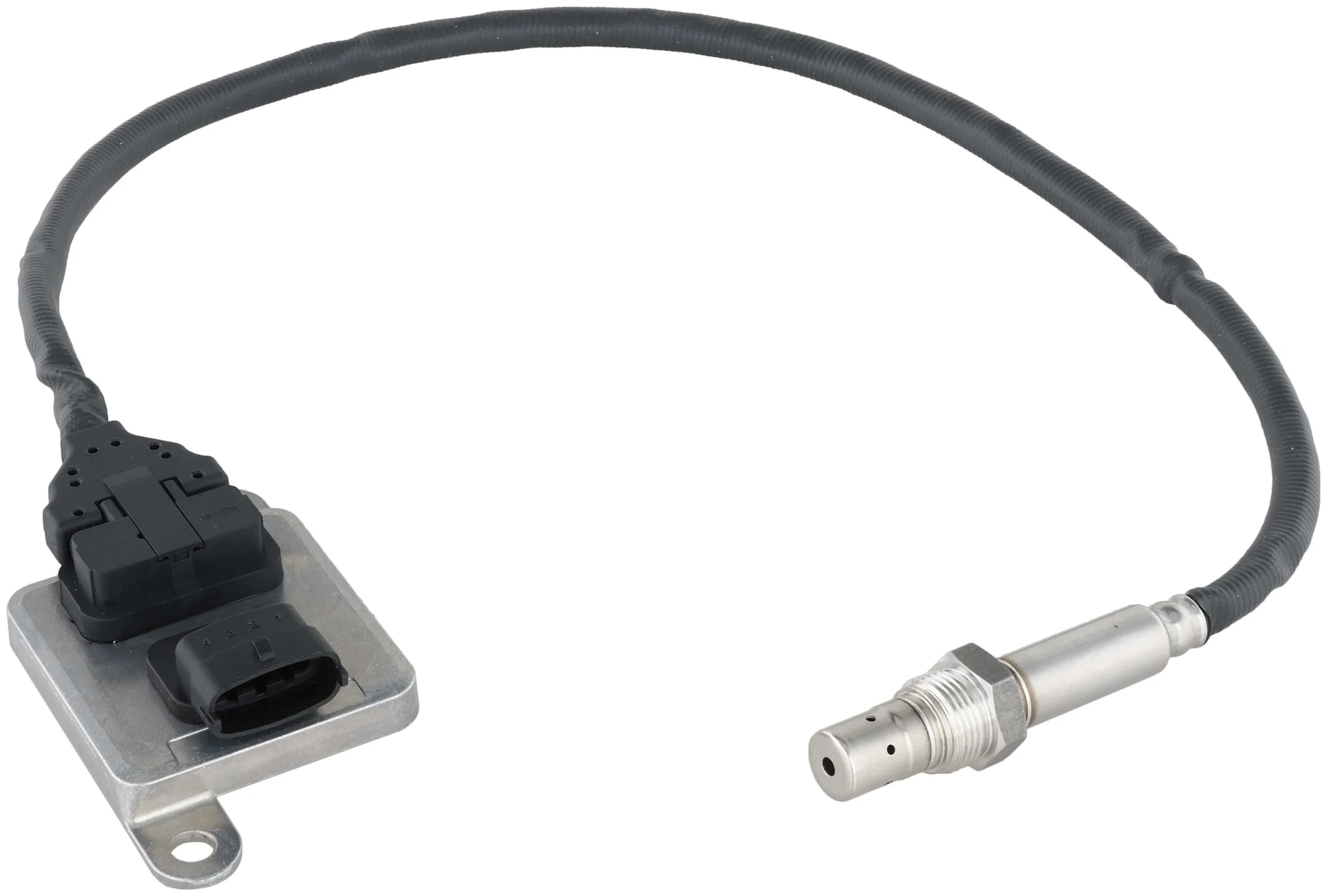
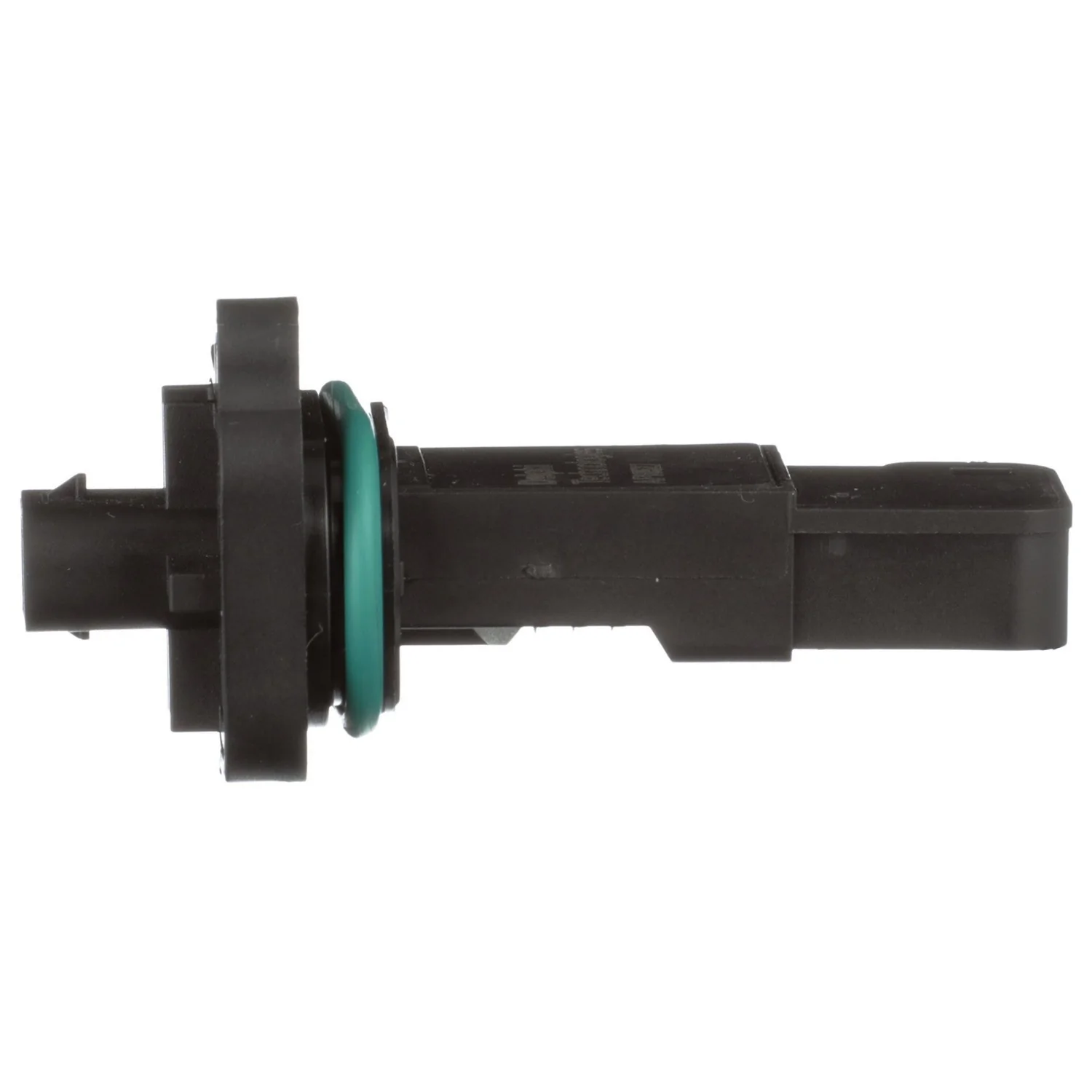
Delphi AS10279 Ignition Knock (Detonation) Sensor
Delphi AS10279 Knock Sensor Overview
Delphi AS10279 is an ignition knock (detonation) sensor for select Hyundai and Kia vehicles. It uses a 2-terminal, male pin connection with a round 1-connector design and screw mounting for direct replacement service.
Compatible with applications such as Kia Forte, Soul, Seltos, and Hyundai Elantra, Tucson, Sonata, Kona, and Veloster, this Delphi knock sensor is calibrated to OE standards for accurate signal output. The AS10279 part number is a direct-fit option for drivers addressing knock sensor fault codes or drivability concerns on covered vehicles.
Key Features
- Ignition knock (detonation) sensor for emission control and engine management systems
- Delphi OE-style sensor calibration for accurate readings
- 1 round connector, male terminal design
- 2 terminals with screw-in mounting
- Package contents: ignition knock sensor only
- Cross-reference part numbers include Standard Ignition KS425
Detailed Product Description
Delphi AS10279 is built for vehicles that rely on precise knock detection to help the engine control module adjust timing and maintain smooth operation. This sensor is used across a wide range of Hyundai and Kia models, including 2011-2023 Hyundai Elantra, 2014-2021 Hyundai Tucson, 2016-2019 Hyundai Sonata, 2012-2023 Kia Soul, and 2014-2023 Kia Forte. The AS10279 part number is also listed for Kia Seltos, Kia Optima, Hyundai Kona, Hyundai Veloster, Kia Forte5, Kia Forte Koup, Hyundai Elantra GT, and Hyundai Elantra Coupe applications.
Delphi validates and calibrates its sensors to OE standards, helping ensure the signal accuracy expected by the vehicle’s engine management system. This makes AS10279 a practical replacement when servicing knock sensor-related faults on Hyundai Elantra and Kia Soul platforms, as well as other covered Hyundai and Kia models.
What It Helps Address
- Knock sensor fault codes
- Audible spark knock or detonation-related drivability issues
- Erratic ignition timing control
- Check engine light concerns tied to knock sensor signal loss
- Rough engine operation caused by inaccurate detonation feedback
Installation Notes and Tips
- Verify connector style, terminal count, and screw-mount location before installation.
- Inspect the harness connector for corrosion, bent pins, or damaged locking tabs.
- Clear diagnostic trouble codes after installation and confirm proper sensor operation.
- Follow the vehicle service procedure for torque and mounting surface preparation.
Quality Assurance
Delphi backs this sensor with OE development and product validation methods. Each sensor is tested and calibrated to OE standards to support accurate readings and consistent replacement performance.
Delphi AS10279 Knock Sensor Overview
Delphi AS10279 is an ignition knock (detonation) sensor for select Hyundai and Kia vehicles. It uses a 2-terminal, male pin connection with a round 1-connector design and screw mounting for direct replacement service.
Compatible with applications such as Kia Forte, Soul, Seltos, and Hyundai Elantra, Tucson, Sonata, Kona, and Veloster, this Delphi knock sensor is calibrated to OE standards for accurate signal output. The AS10279 part number is a direct-fit option for drivers addressing knock sensor fault codes or drivability concerns on covered vehicles.
Key Features
- Ignition knock (detonation) sensor for emission control and engine management systems
- Delphi OE-style sensor calibration for accurate readings
- 1 round connector, male terminal design
- 2 terminals with screw-in mounting
- Package contents: ignition knock sensor only
- Cross-reference part numbers include Standard Ignition KS425
Detailed Product Description
Delphi AS10279 is built for vehicles that rely on precise knock detection to help the engine control module adjust timing and maintain smooth operation. This sensor is used across a wide range of Hyundai and Kia models, including 2011-2023 Hyundai Elantra, 2014-2021 Hyundai Tucson, 2016-2019 Hyundai Sonata, 2012-2023 Kia Soul, and 2014-2023 Kia Forte. The AS10279 part number is also listed for Kia Seltos, Kia Optima, Hyundai Kona, Hyundai Veloster, Kia Forte5, Kia Forte Koup, Hyundai Elantra GT, and Hyundai Elantra Coupe applications.
Delphi validates and calibrates its sensors to OE standards, helping ensure the signal accuracy expected by the vehicle’s engine management system. This makes AS10279 a practical replacement when servicing knock sensor-related faults on Hyundai Elantra and Kia Soul platforms, as well as other covered Hyundai and Kia models.
What It Helps Address
- Knock sensor fault codes
- Audible spark knock or detonation-related drivability issues
- Erratic ignition timing control
- Check engine light concerns tied to knock sensor signal loss
- Rough engine operation caused by inaccurate detonation feedback
Installation Notes and Tips
- Verify connector style, terminal count, and screw-mount location before installation.
- Inspect the harness connector for corrosion, bent pins, or damaged locking tabs.
- Clear diagnostic trouble codes after installation and confirm proper sensor operation.
- Follow the vehicle service procedure for torque and mounting surface preparation.
Quality Assurance
Delphi backs this sensor with OE development and product validation methods. Each sensor is tested and calibrated to OE standards to support accurate readings and consistent replacement performance.
Original: $45.23
-65%$45.23
$15.83Description
Delphi AS10279 Knock Sensor Overview
Delphi AS10279 is an ignition knock (detonation) sensor for select Hyundai and Kia vehicles. It uses a 2-terminal, male pin connection with a round 1-connector design and screw mounting for direct replacement service.
Compatible with applications such as Kia Forte, Soul, Seltos, and Hyundai Elantra, Tucson, Sonata, Kona, and Veloster, this Delphi knock sensor is calibrated to OE standards for accurate signal output. The AS10279 part number is a direct-fit option for drivers addressing knock sensor fault codes or drivability concerns on covered vehicles.
Key Features
- Ignition knock (detonation) sensor for emission control and engine management systems
- Delphi OE-style sensor calibration for accurate readings
- 1 round connector, male terminal design
- 2 terminals with screw-in mounting
- Package contents: ignition knock sensor only
- Cross-reference part numbers include Standard Ignition KS425
Detailed Product Description
Delphi AS10279 is built for vehicles that rely on precise knock detection to help the engine control module adjust timing and maintain smooth operation. This sensor is used across a wide range of Hyundai and Kia models, including 2011-2023 Hyundai Elantra, 2014-2021 Hyundai Tucson, 2016-2019 Hyundai Sonata, 2012-2023 Kia Soul, and 2014-2023 Kia Forte. The AS10279 part number is also listed for Kia Seltos, Kia Optima, Hyundai Kona, Hyundai Veloster, Kia Forte5, Kia Forte Koup, Hyundai Elantra GT, and Hyundai Elantra Coupe applications.
Delphi validates and calibrates its sensors to OE standards, helping ensure the signal accuracy expected by the vehicle’s engine management system. This makes AS10279 a practical replacement when servicing knock sensor-related faults on Hyundai Elantra and Kia Soul platforms, as well as other covered Hyundai and Kia models.
What It Helps Address
- Knock sensor fault codes
- Audible spark knock or detonation-related drivability issues
- Erratic ignition timing control
- Check engine light concerns tied to knock sensor signal loss
- Rough engine operation caused by inaccurate detonation feedback
Installation Notes and Tips
- Verify connector style, terminal count, and screw-mount location before installation.
- Inspect the harness connector for corrosion, bent pins, or damaged locking tabs.
- Clear diagnostic trouble codes after installation and confirm proper sensor operation.
- Follow the vehicle service procedure for torque and mounting surface preparation.
Quality Assurance
Delphi backs this sensor with OE development and product validation methods. Each sensor is tested and calibrated to OE standards to support accurate readings and consistent replacement performance.